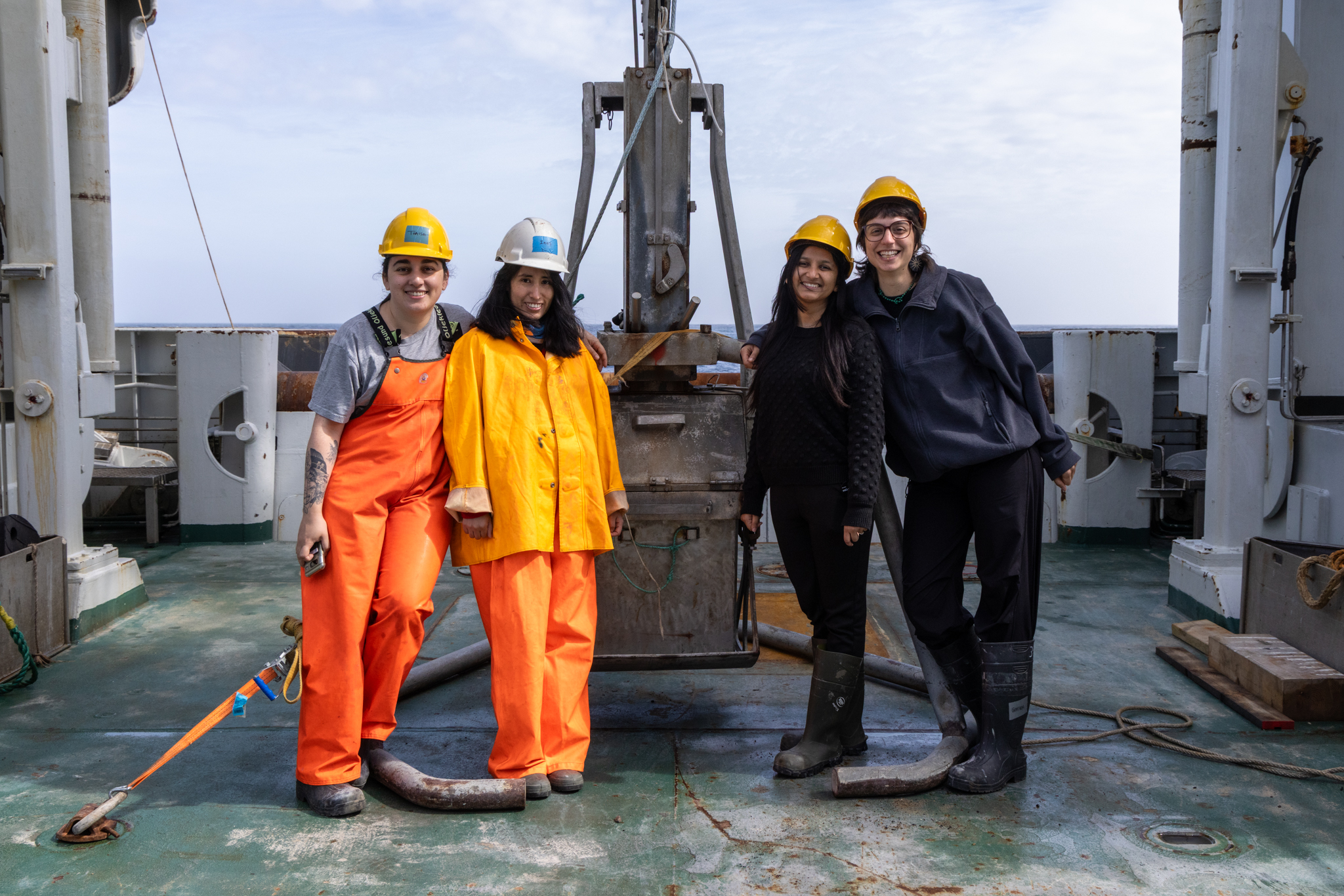
Our postdoctoral fellow, Neha Joshi (ISMER-UQAR) had the opportunity to participate in the EXTREME26 expedition aboard the RV Kronprins Haakon, sailing along the Norwegian continental margin in early summer.
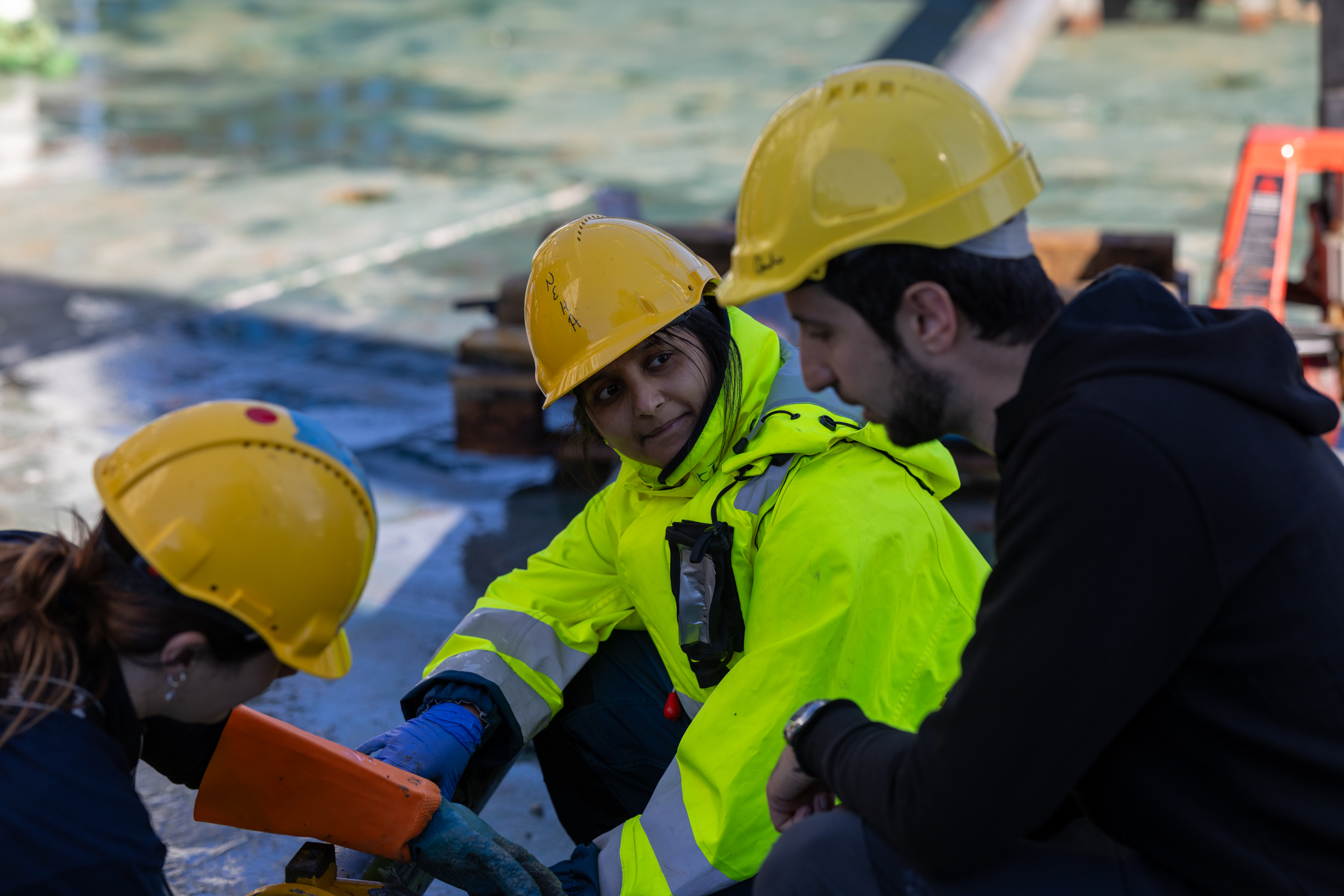
Bringing together an international team of scientists and students, the expedition focused on Arctic cold seeps, a remarkable environment where methane-rich fluids escape from the seafloor, creating unique habitats and influencing deep-sea biogeochemical processes.
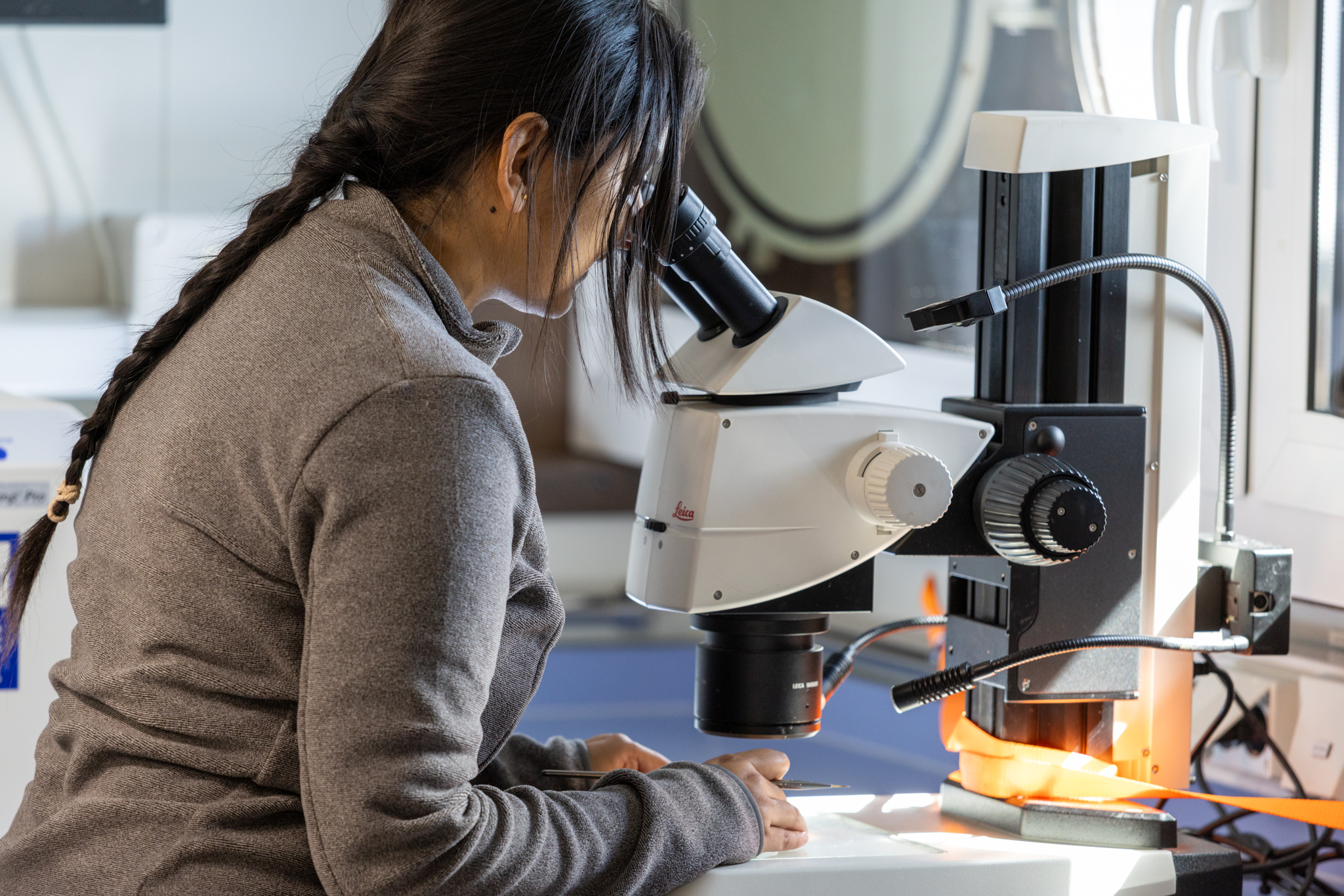
As a researcher working with benthic foraminifera as indicators of environmental change, her interest lies in understanding how marine ecosystems respond to changing oceanographic conditions through time. During the expedition, sediment samples, carbonate crusts, and other materials were collected using the ROV Ægir 6000 (@Normar) and a range of sampling techniques. These samples will help researchers investigate the interactions between methane seepage, carbonate formation, microbial activity, and benthic ecosystems.
 |
 |
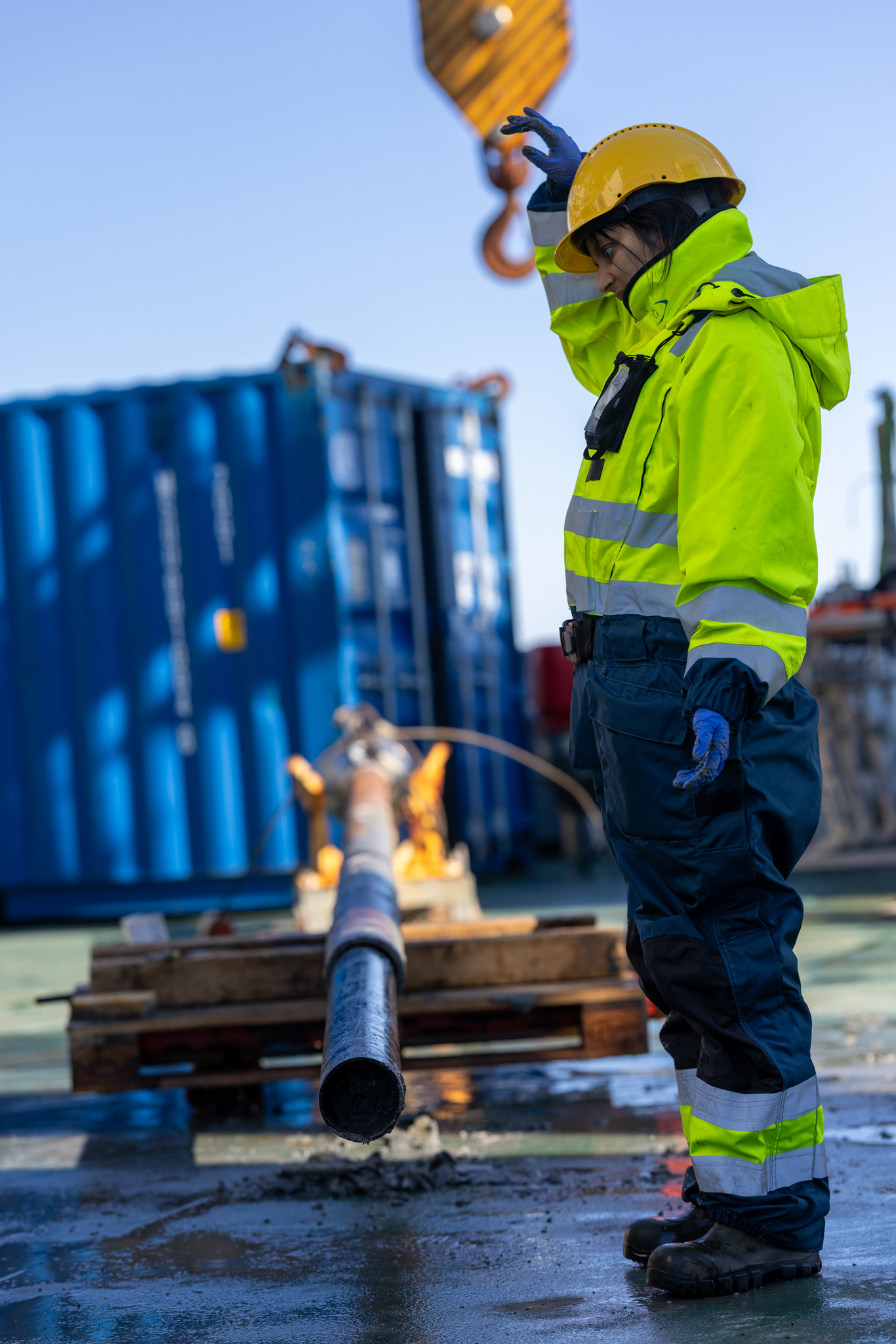
The most striking aspects of these environments are streams of methane bubbles escaping from the seafloor. It also shows a carbonate-rich seabed, where methane-derived authigenic carbonates have accumulated over time. These carbonates form directly on the seafloor through seep-related processes and preserve valuable records of fluid flow and past environmental conditions. Watching the ROV operations in real time and seeing carbonate samples arrive on deck from thousands of metres below the sea surface, the expedition offered a unique glimpse into the hidden world of the deep Arctic Ocean.
Combined with sedimentary and biological records, including foraminifera, these systems provide a fascinating window into both modern and past Arctic marine environments.
 |
A huge thank you to the EXTREME26 team for an unforgettable scientific adventure! - Neha Joshi
Photos: Neha Joshi