The Annual Scientific Meeting (ASM) is a must-attend event for all Quebec-Ocean members, Allies and partners. Each year, participants have the pleasure of meeting to discover and discuss the latest advances in research and develop new collaborations.
This event was made possible thanks to the support of our generous sponsors and partners!
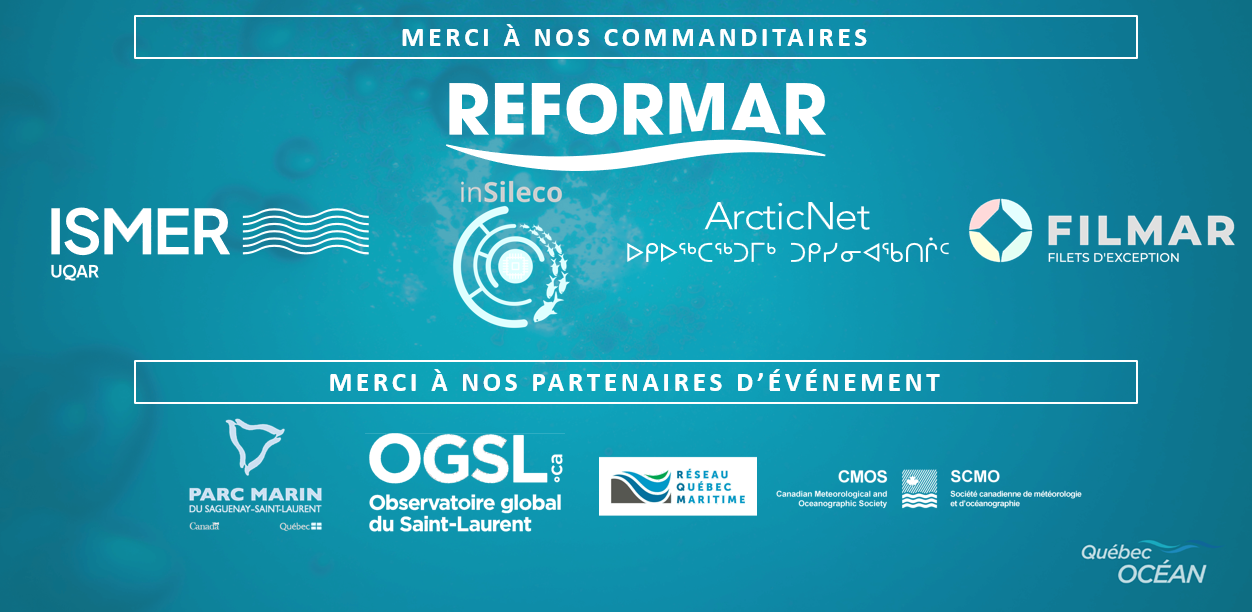
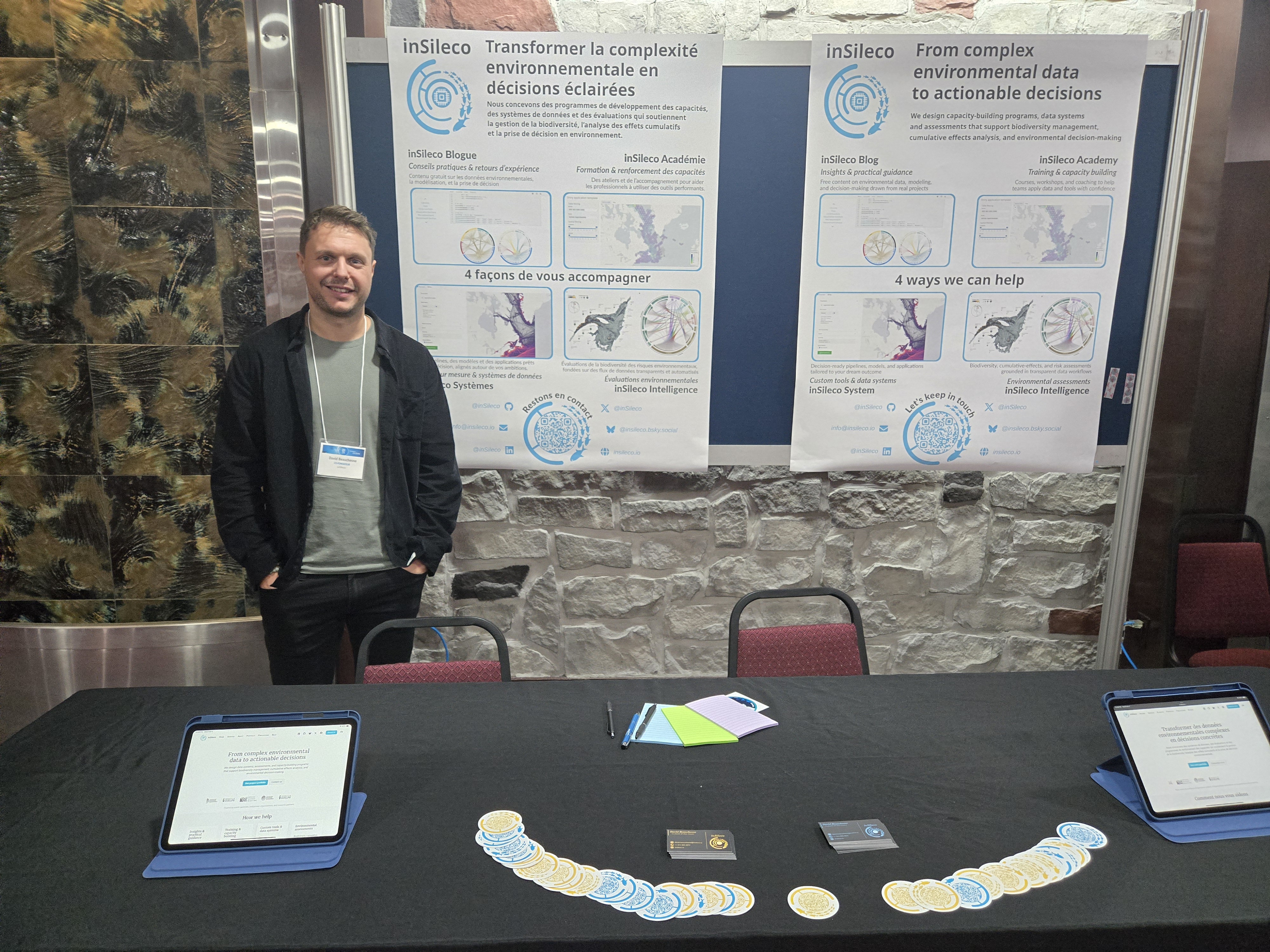
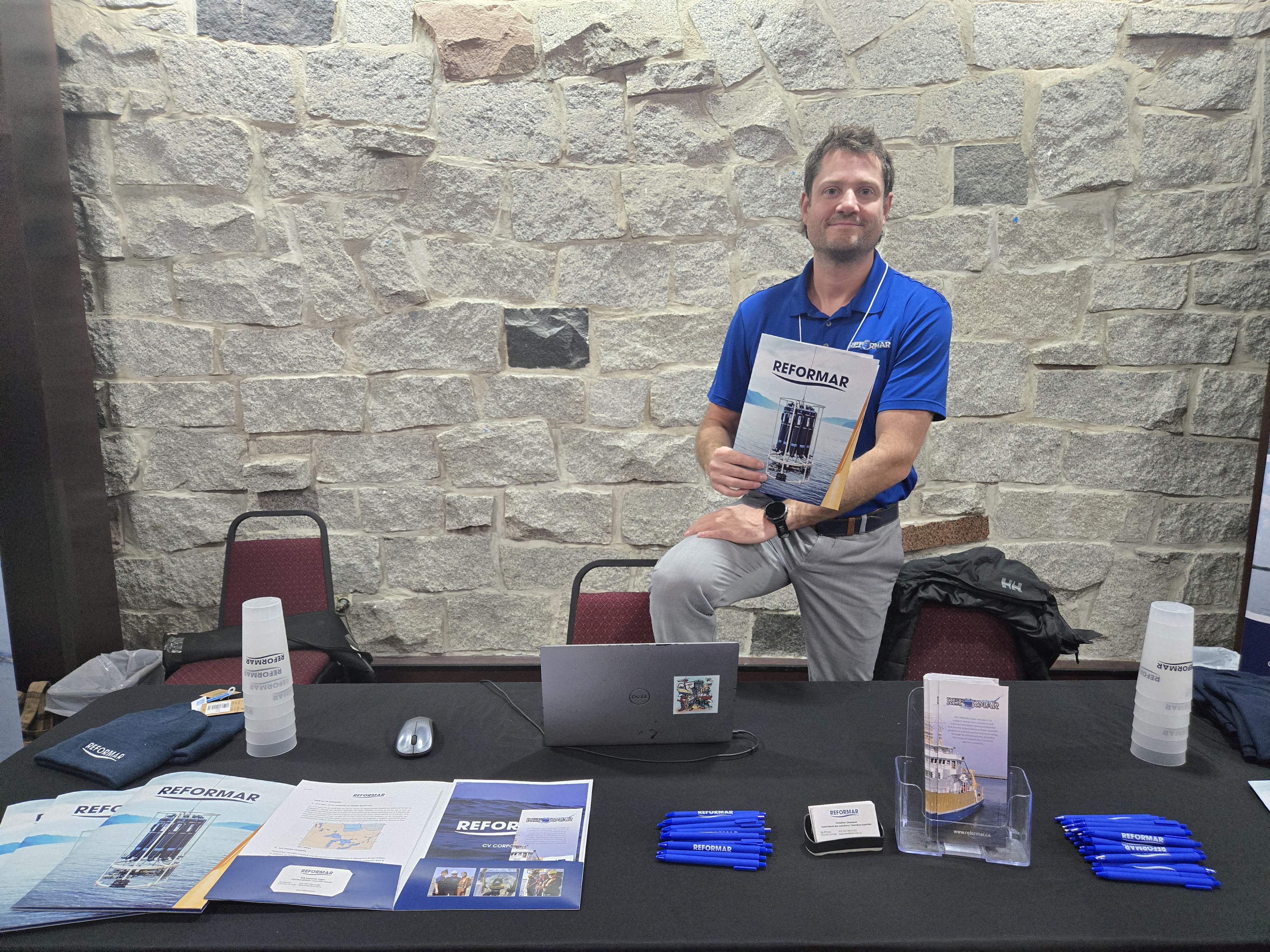
Our warm thank you to our sponsors Reformar, InSileco, ISMER-UQAR, ArcticNet and Filmar.
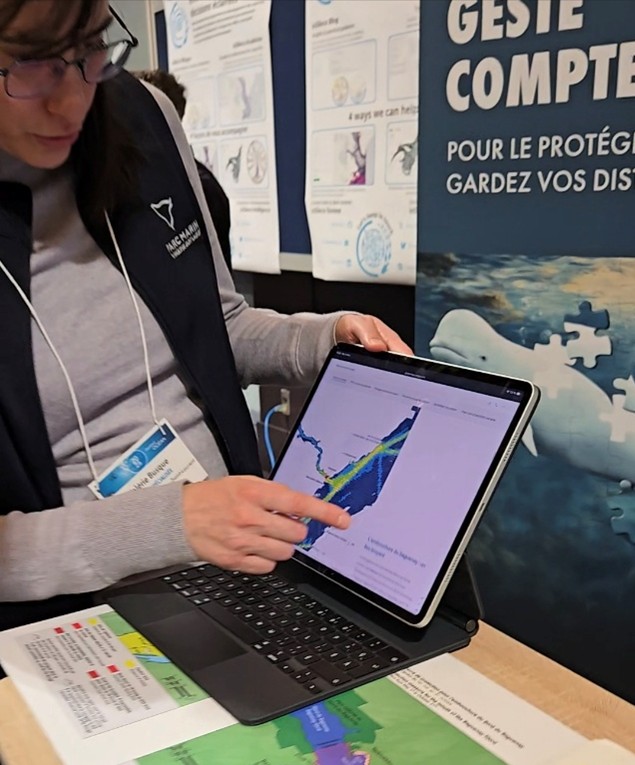
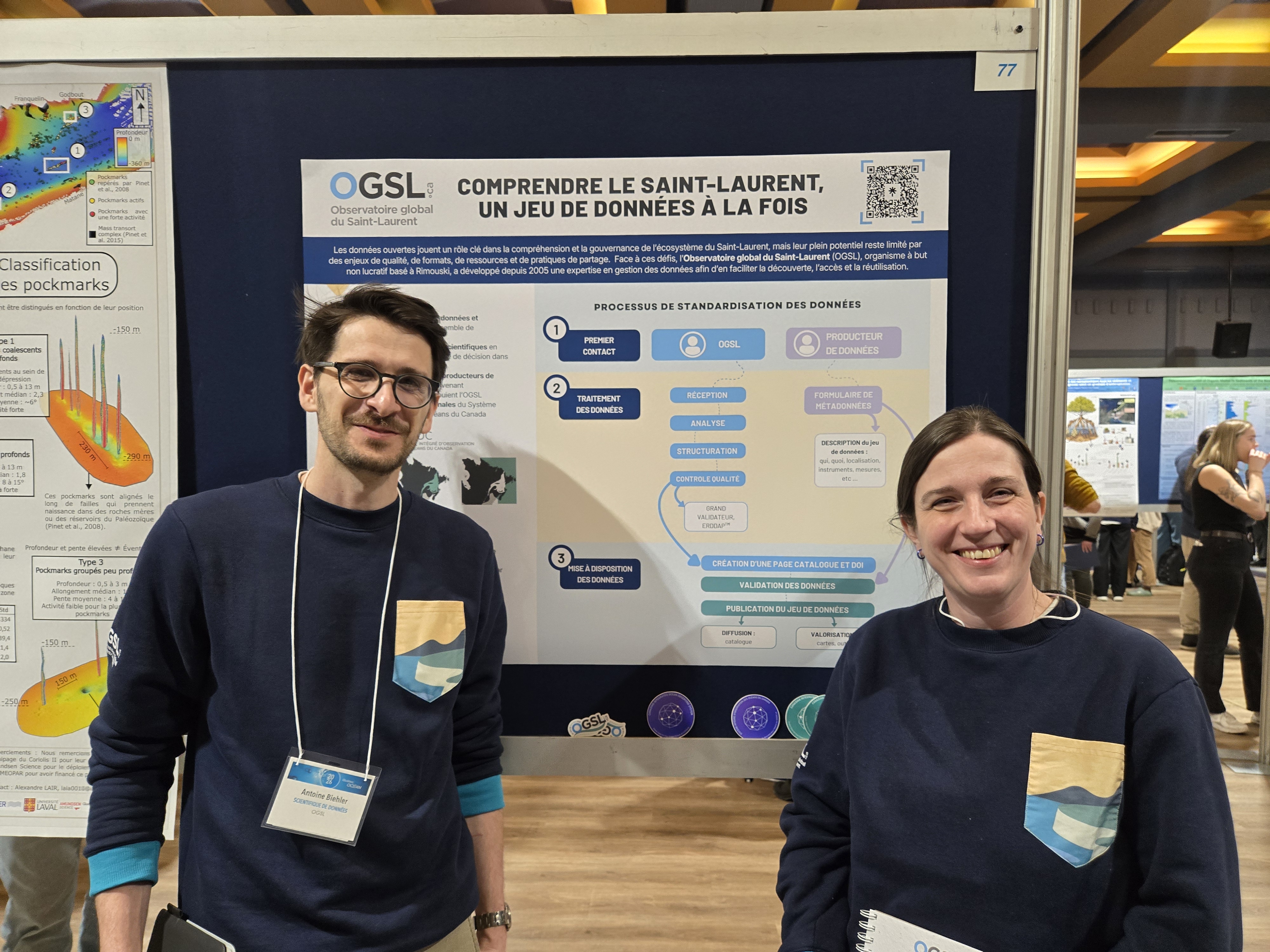
Also thanks to our allies and partners, l’Observatoire global du Saint-Laurent, Réseau Québec Maritime, and Parc Marin du Saguenay-Saint-Laurent for being with us and supporting our students in their own ways!
Welcome to the ASM!
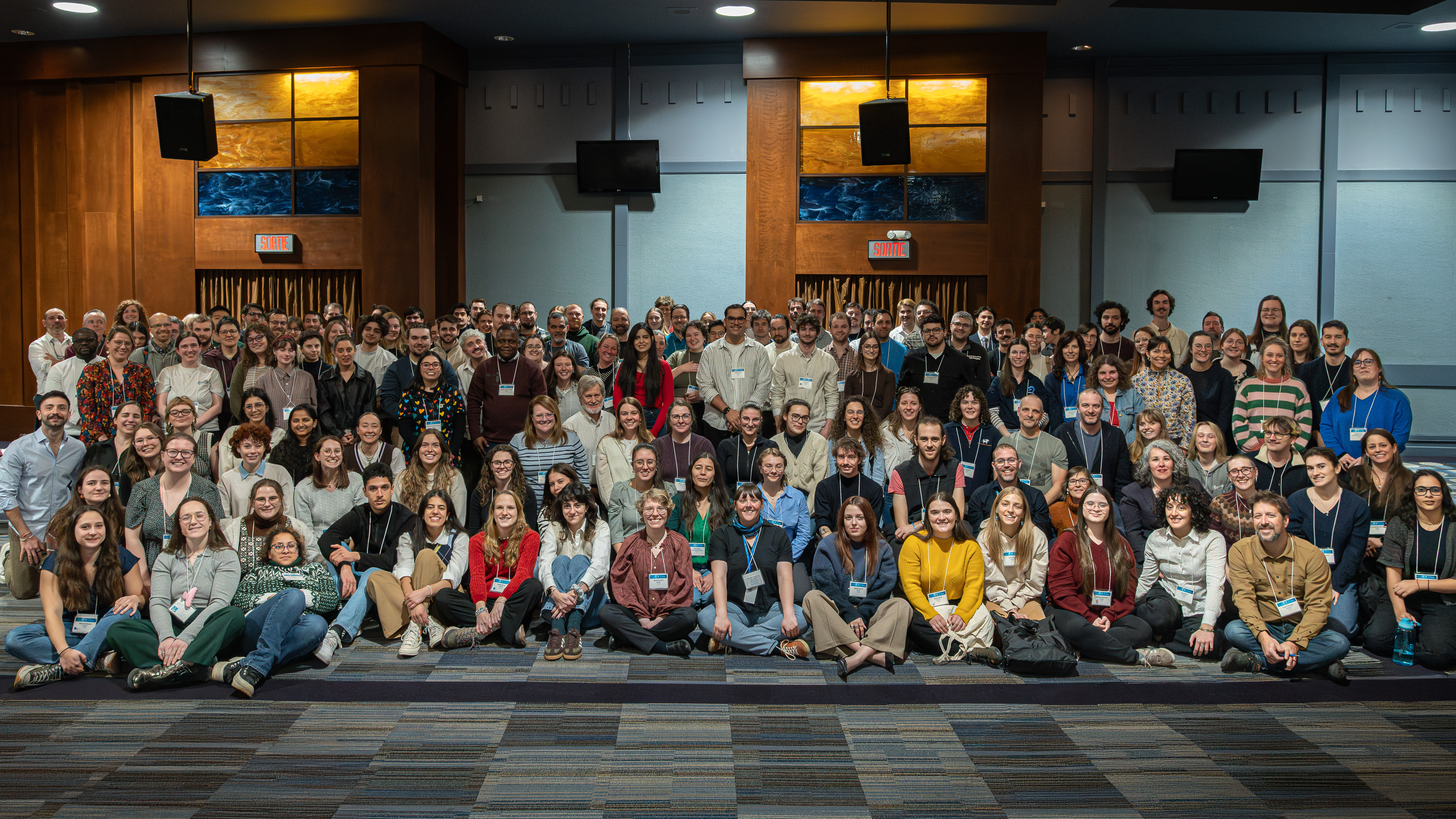
At the opening, our 2026 sponsors and partners were on hand to welcome our participants. More than 175 members, partners, and allies of the network gathered in Rivière-du-Loup from February 3–5 for the Quebec-Ocean 2026 Annual Scientific Meeting (ASM).
 |
 |
 |
 |
Student Day
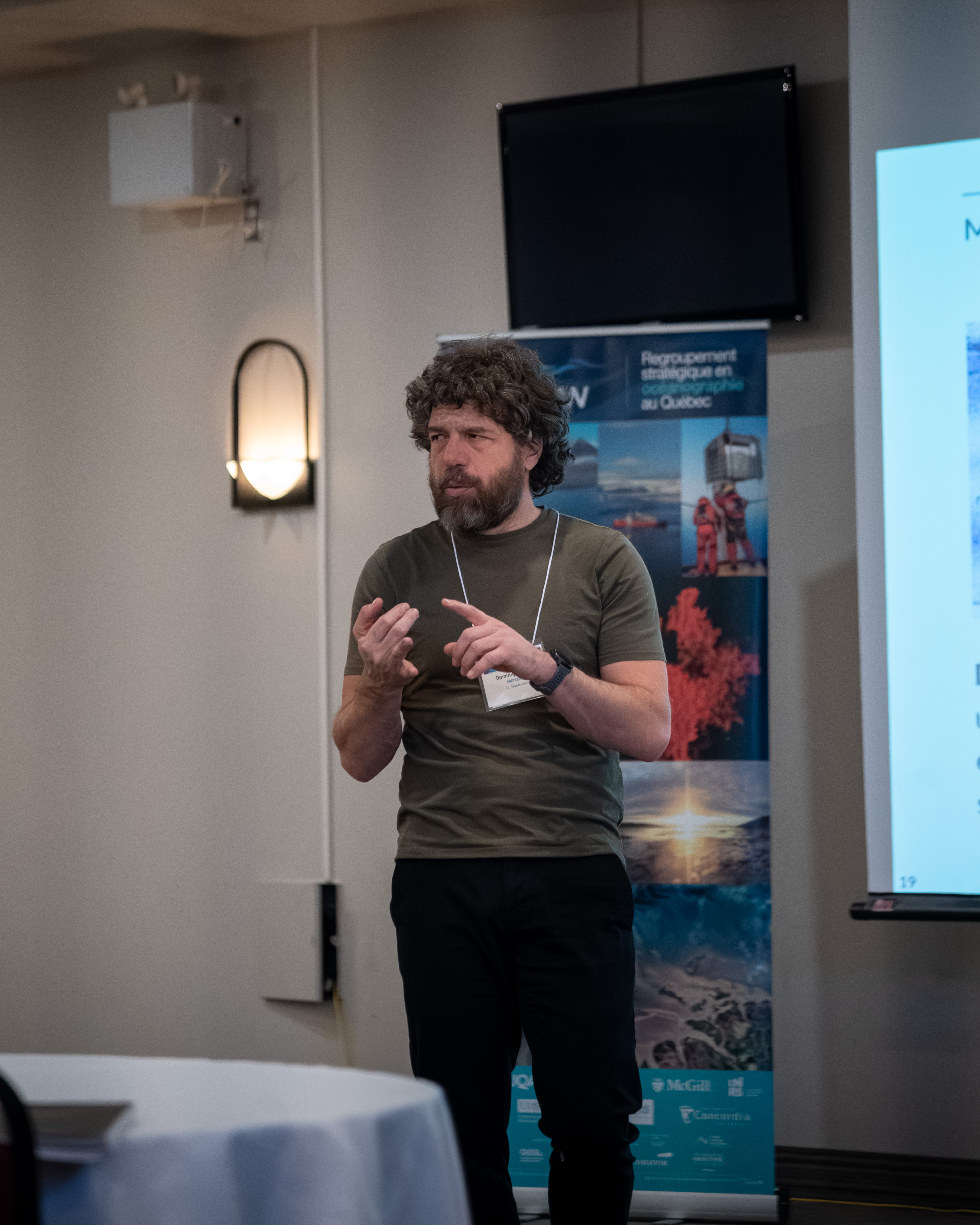
The Student Day is fully organized by the student committee of Quebec-Ocean. Sixty students attended two training sessions at the start of the RSA on February 3–4. They were first introduced to ecosystem modeling by Dominique Gravel, a professor at the Université de Sherbrooke and holder of the Canada Research Chair in Integrative Ecology, assisted by Vincent Beauregard (UdeS). Against a backdrop of major environmental changes, Dominique’s teaching approach led students to question the relevance of general models, suggest avenues for improvement, and explore their use in making major decisions.
Anne-Marie Duchesneau, a librarian in the Faculty of Science and Engineering at Laval University, then equipped students with the tools to make informed choices regarding scientific publication. Because publishing an article in a journal is one thing… publishing in the right place is another! From funding agency requirements to journal reputation, one must learn to maximize scientific impact after working so hard!
 |
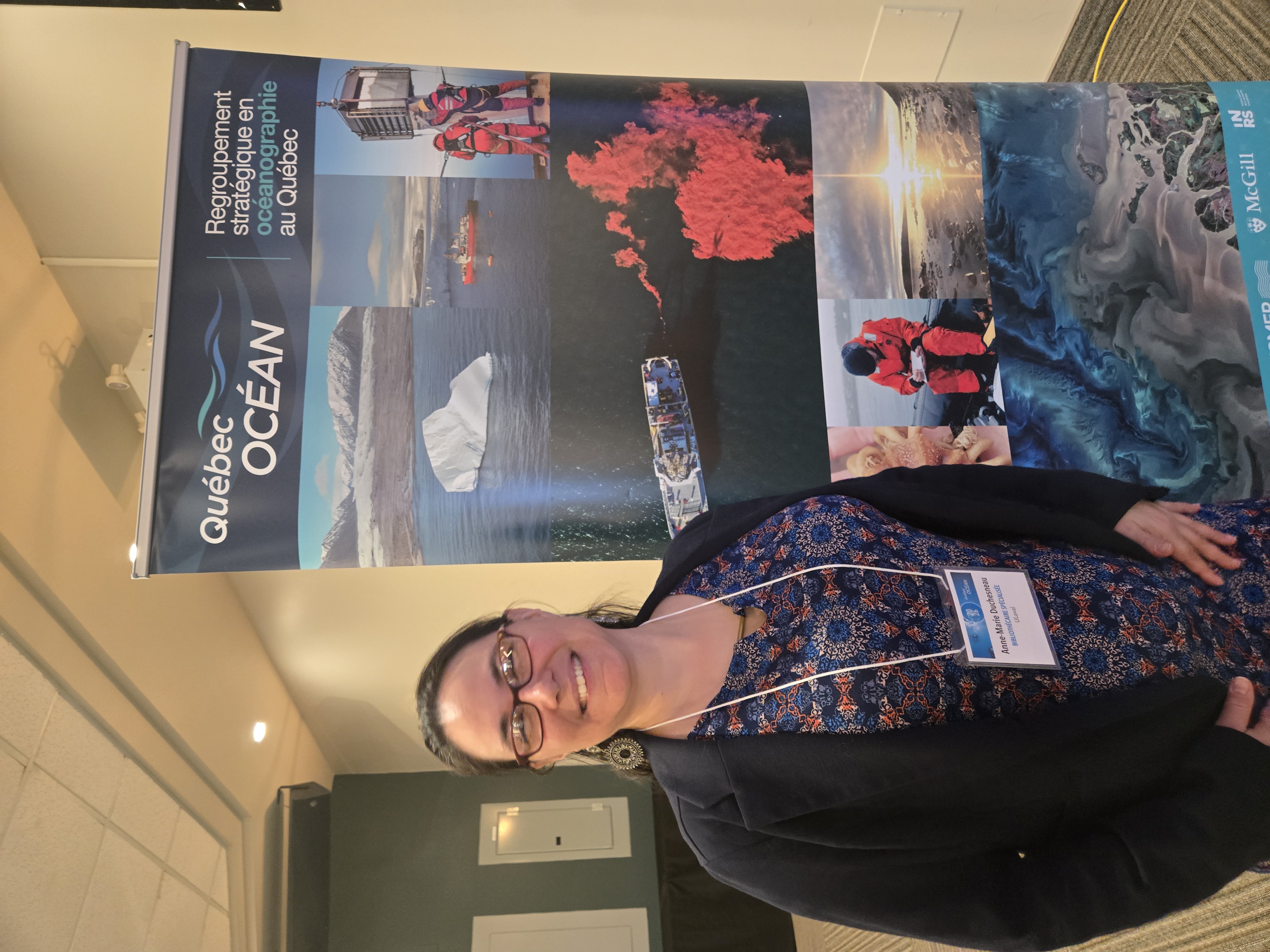 |
Dominique Gravel (left) and Anne-Marie Duchesneau (right)
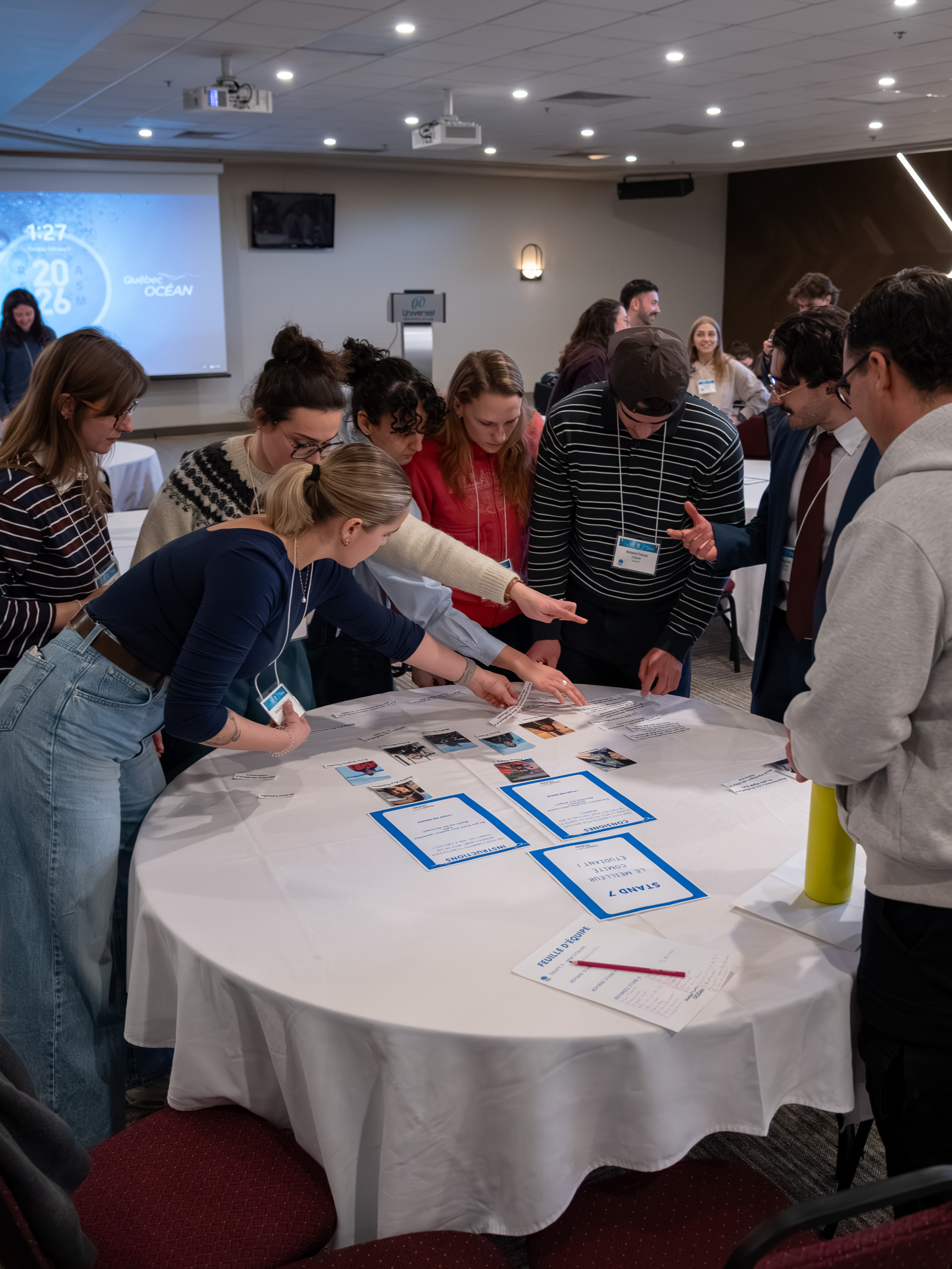
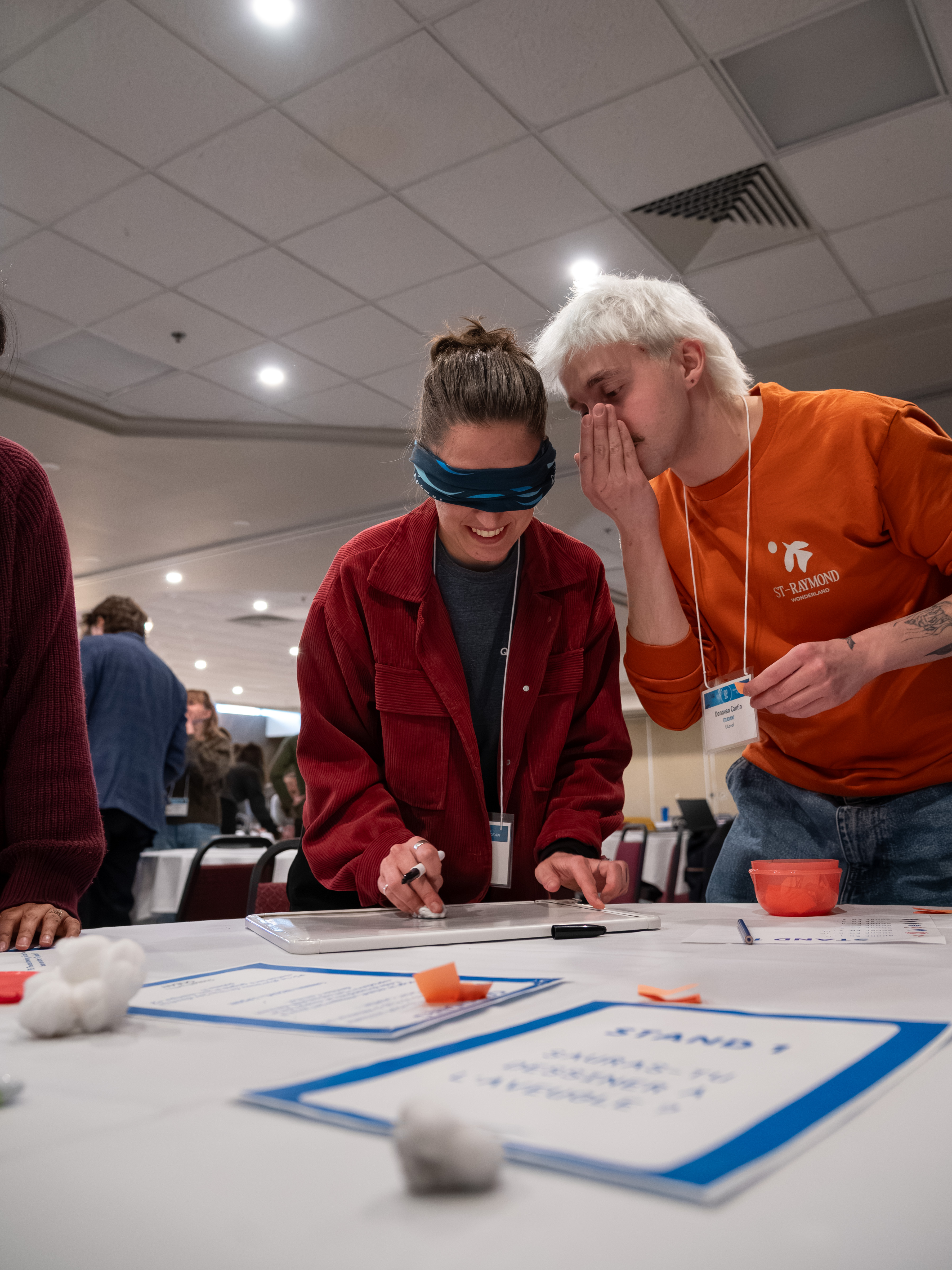
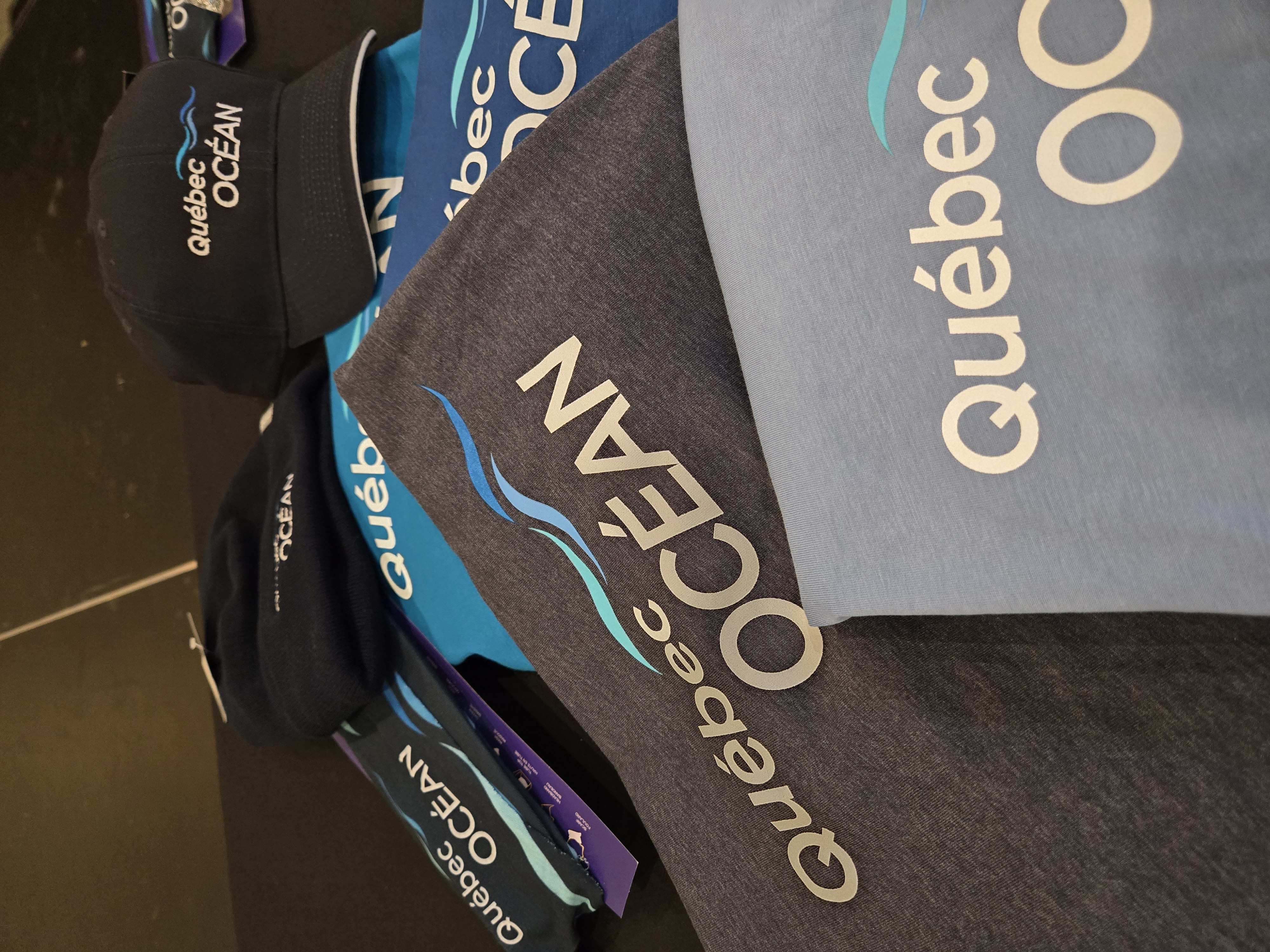
To break the ice upon their arrival, the Student Committee organized the icebreaker challenges. Participants had to know their committee well and be familiar with their representatives’ stories. Could you slip into a survival suit in a flash, draw while blindfolded, or put your knowledge to the test? The students rose to the challenges with success and won several prizes in the colours of Quebec-Ocean, to be worn with pride! In the evening, they gathered downtown to continue getting to know one another by participating in musical activities led by the Student Committee.
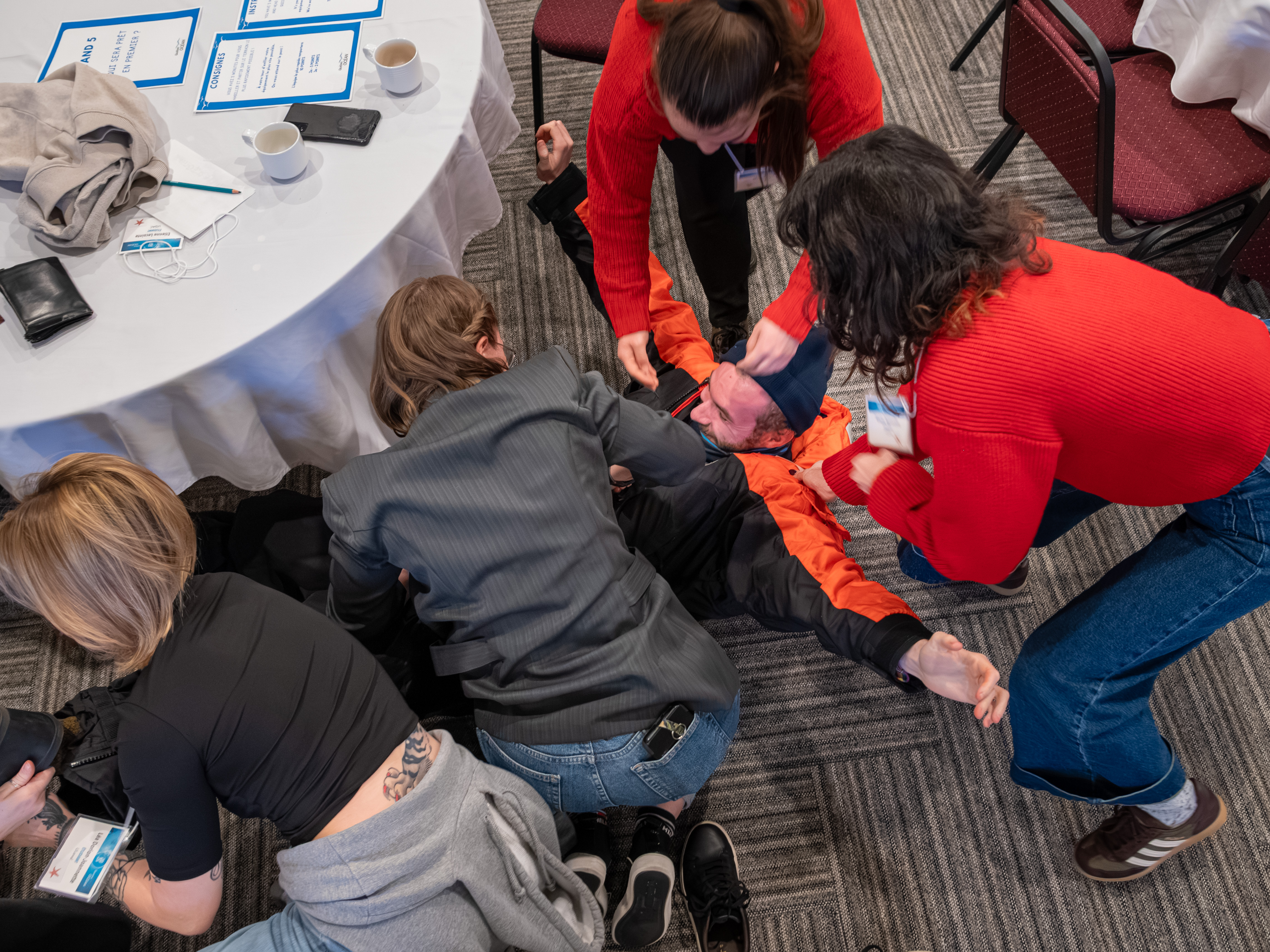 |
icebreaker challenges and Quebec-Ocean prizes
Guest speakers
Scientific program
Spanning topics from the Arctic to coastal ecosystems, from rheology to marine ecotoxicology, and from modeling to molecular biology, this year’s program featured 15 insightful oral presentations, 13 of which were delivered by students. We were able to appreciate the high quality of the My Research in 180-seconds presentations, as we listened to stories about a customs officer dealing with invaders, a seagrass, and a polar cod.
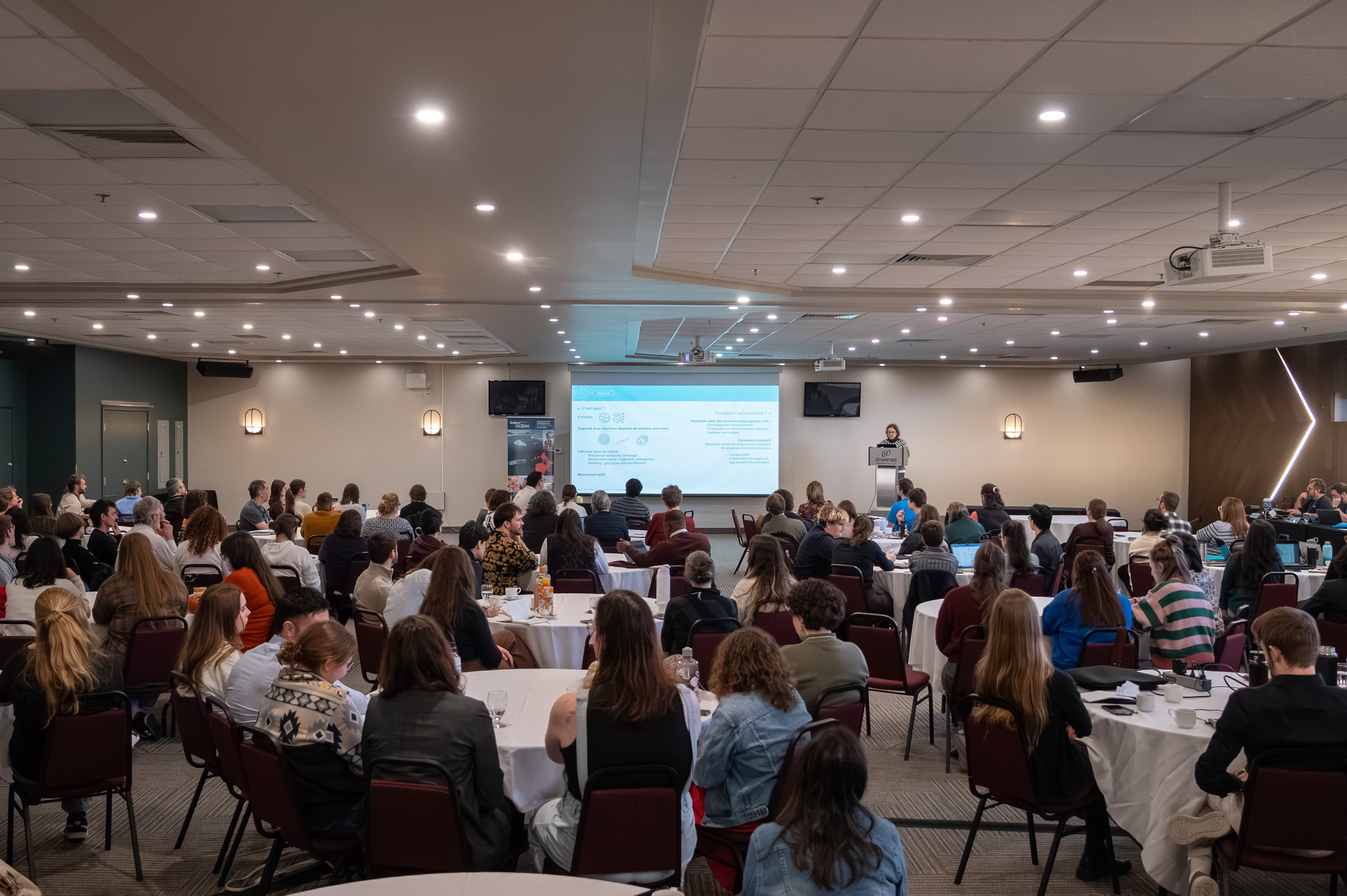 |
Presentation by Suzie Severino, PhD student at ISMER-UQAR
We were particularly impressed by the new approaches to collecting marine biodiversity data (Geneviève Parent, DFO) and a pilot project on community-based collective fishing (Charlotte Cloutier, Laval University). We wrapped up our program on a high note with Nicolas Kempf (Laval University), a new postdoctoral fellow in law, who brought both accessibility and humor to the discussion. He challenged us with international Arctic law and this question: given our current ambitions, can sustainable development truly be sustainable? With professionalism, he sparked lively debate among the audience, opened our minds, and left us eager to discuss the topic further.
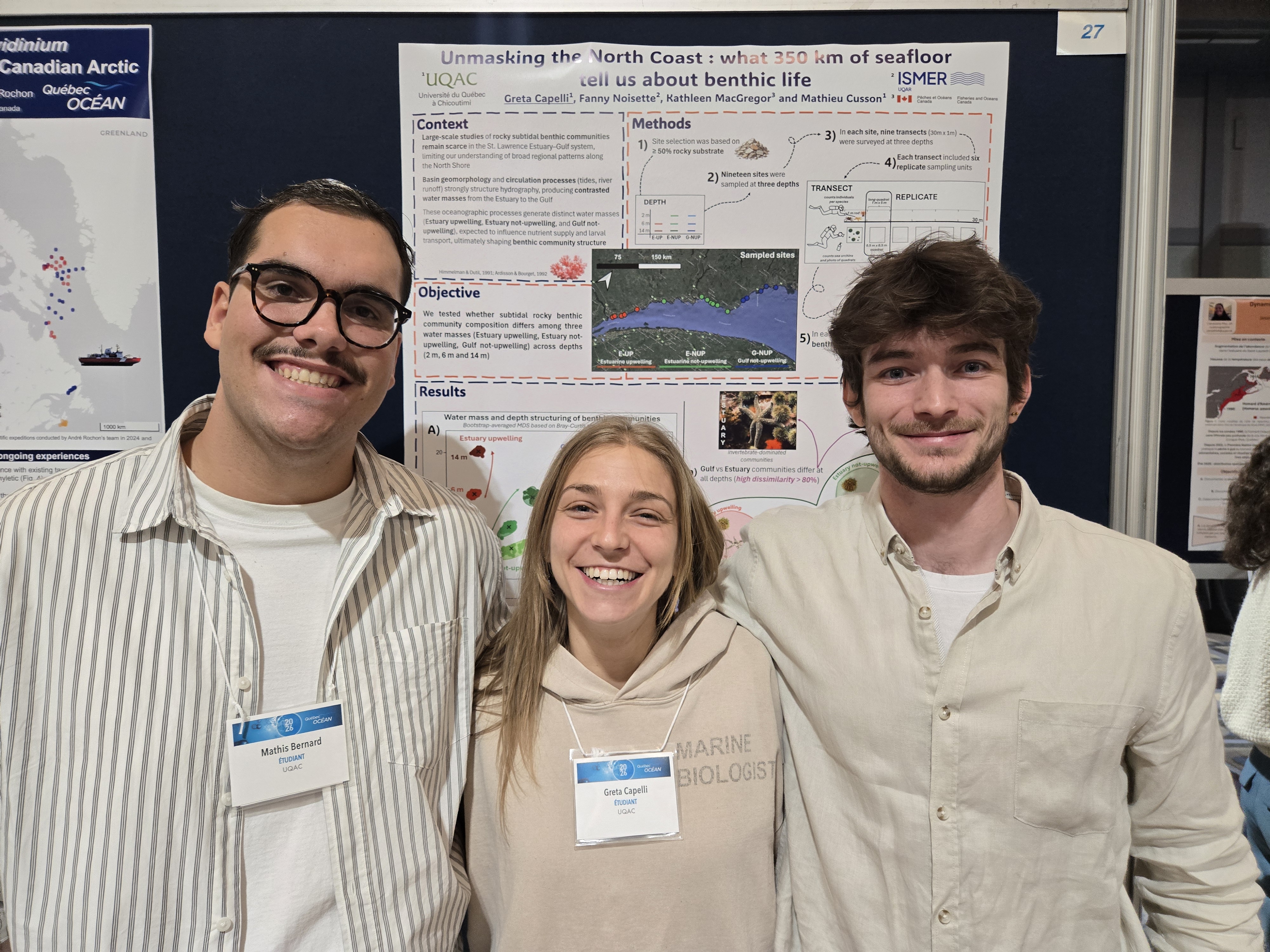
Our studentds from Université du Québec à Chicoutimi, Mathis, Greta, and Étienne
 |
 |
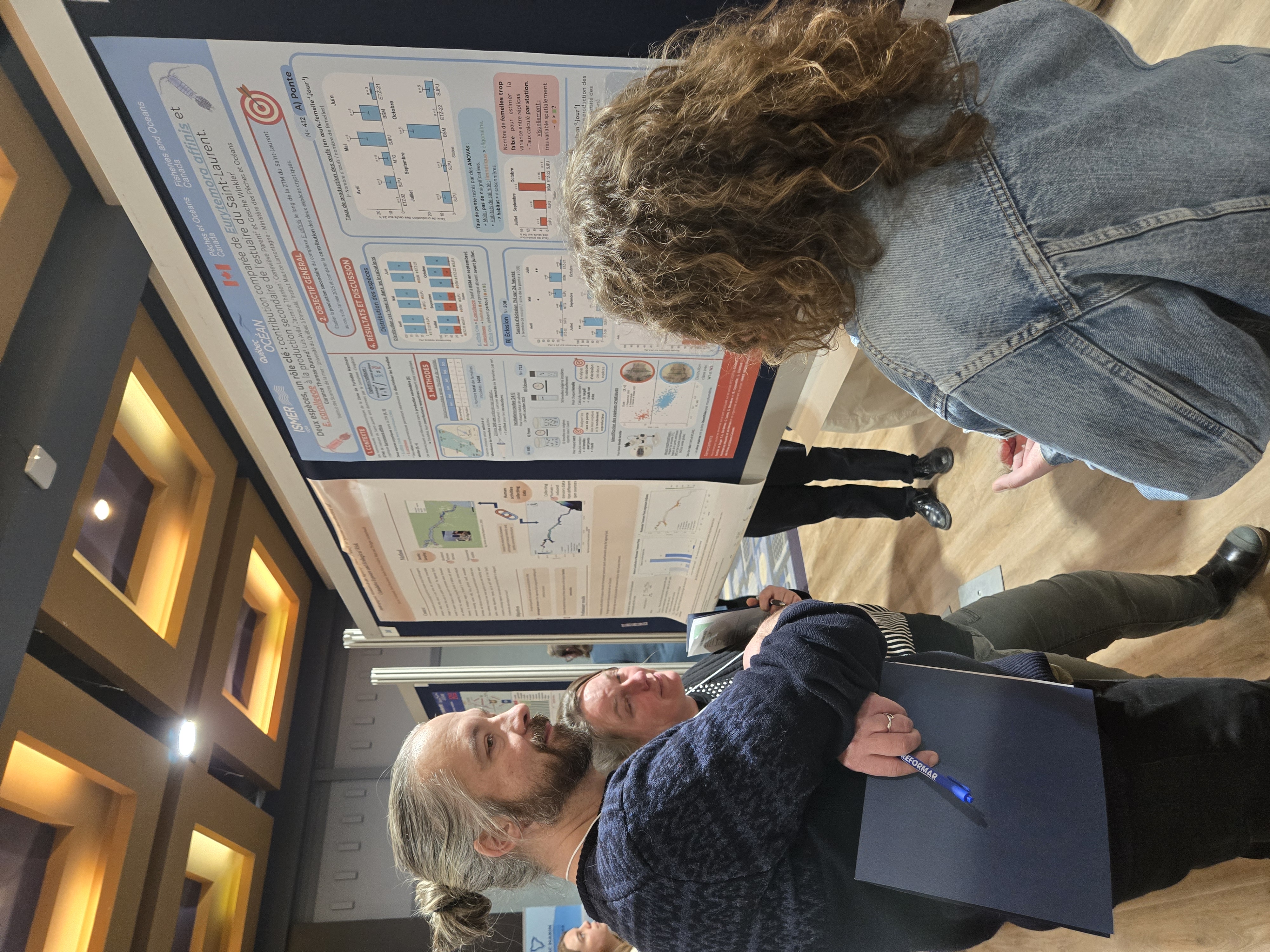 |
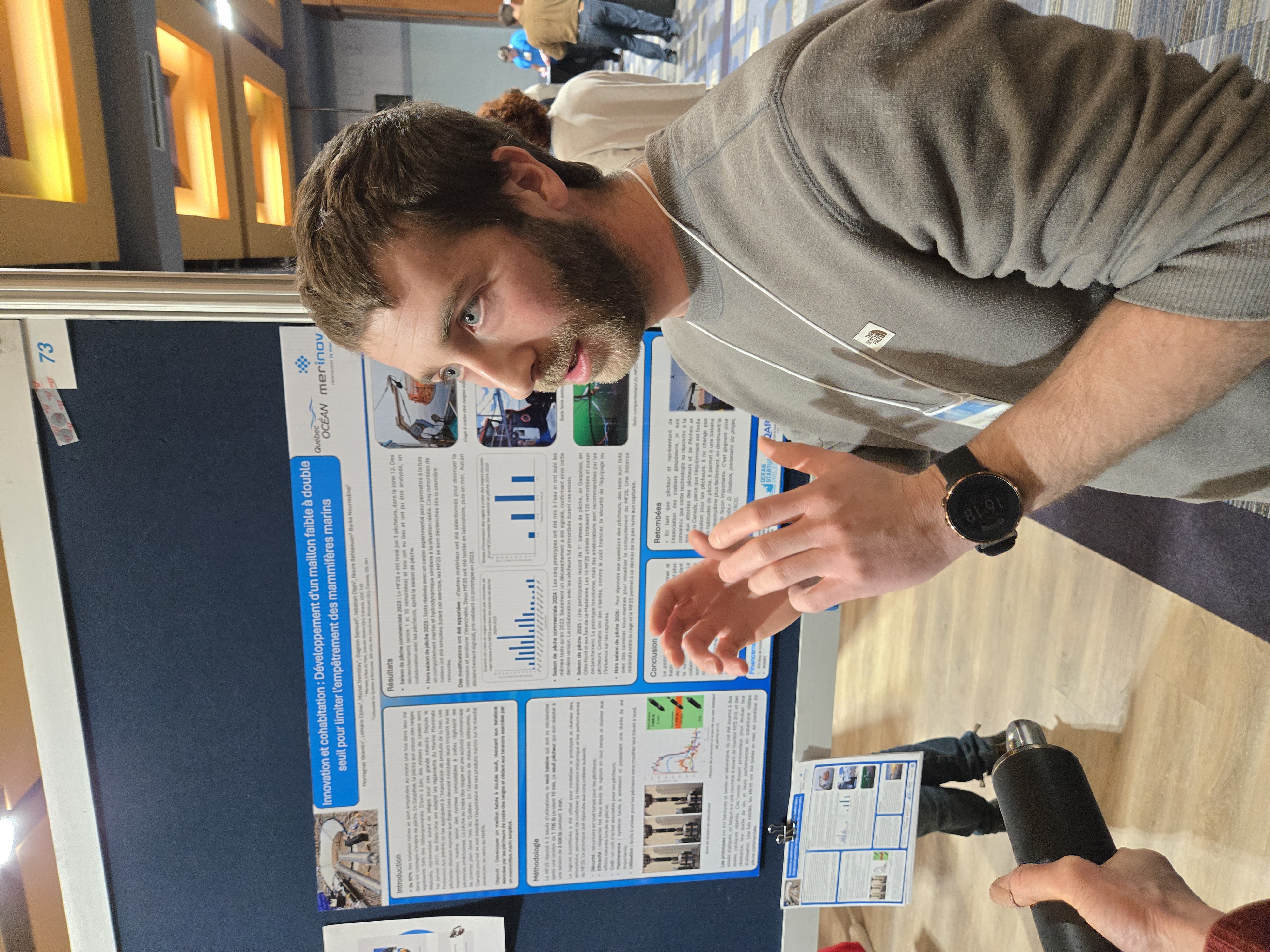
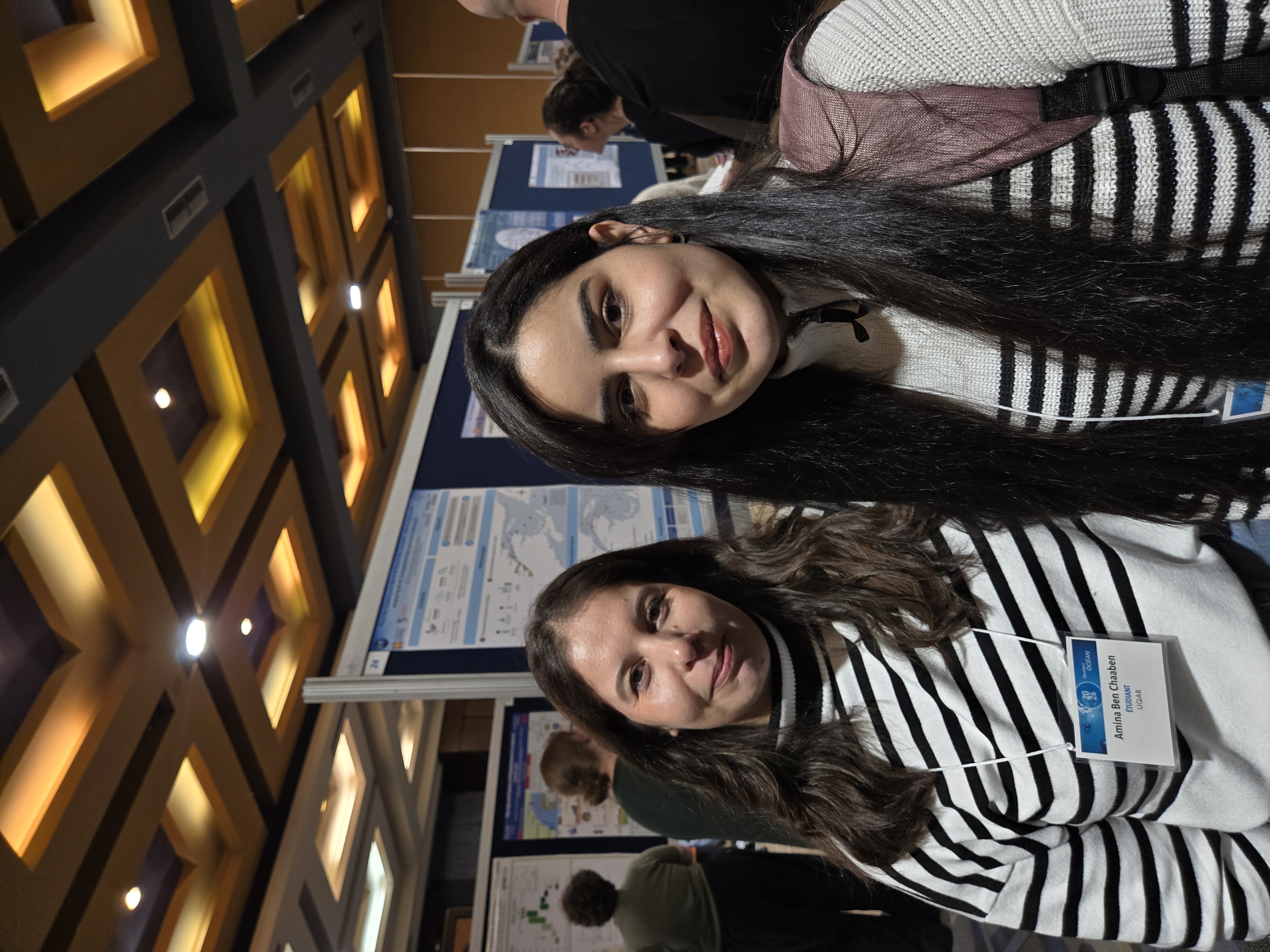
On the left, Valentin Montagnac from Merinov - Our students Amina and Zineb (ISMER-UQAR) - On the right, our student Garance (ISMER-UQAR), during the evaluation of her poster, with our judges David Pelletier and Cindy Grant.
This year’s event featured more than 75 poster presentations, 28 of which were selected for the student presentation competition. This session offers everyone an opportunity to showcase their work, engage in discussions that foster new partnerships, and enjoy a pleasant time at a cocktail reception. A much-appreciated event!
Social Evening
The highlight of the RSA was the musical evening featuring Océano’Jam. Organized by the Student Committee with support from the Québec-Océan team, participants thoroughly enjoyed this musical jam session, performed by our musician members to the rhythms of jazz, groove, and blues. The evening continued with two different atmospheres: one for dancing and one for relaxing.
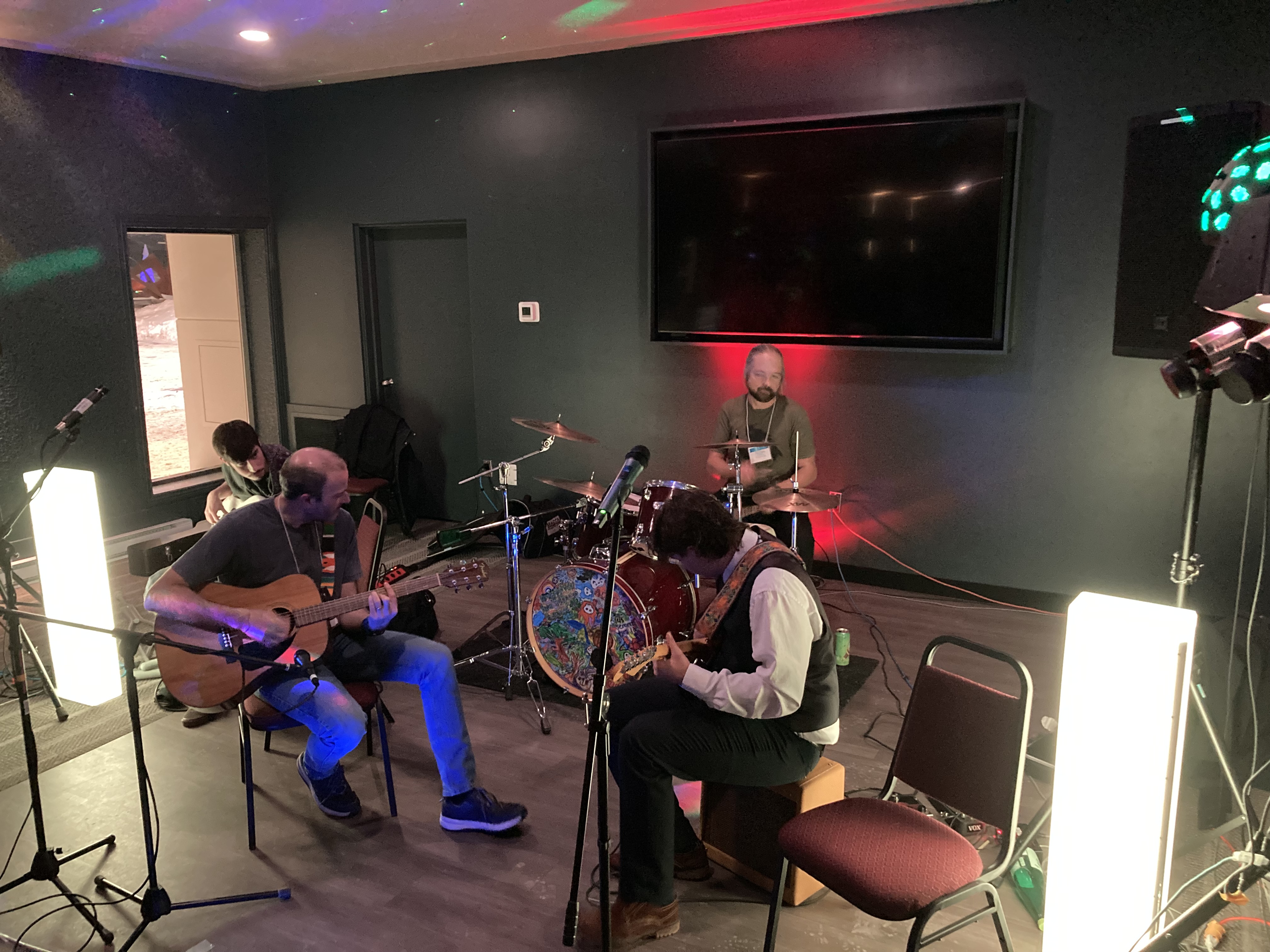
L'océano'Jam
The winners
Oral presentation contest
My Research in 180 seconds contest
 |
Sponsored by MR180 Award Étude des mécanismes et la dynamique biologique des interactions entre les nanoplastiques et deux microalgues arctiques |
 |
Public's Choice Capacité de stockage et séquestration du carbone organique des herbiers de zostère du système Saint-Laurent |
Poster contest
 |
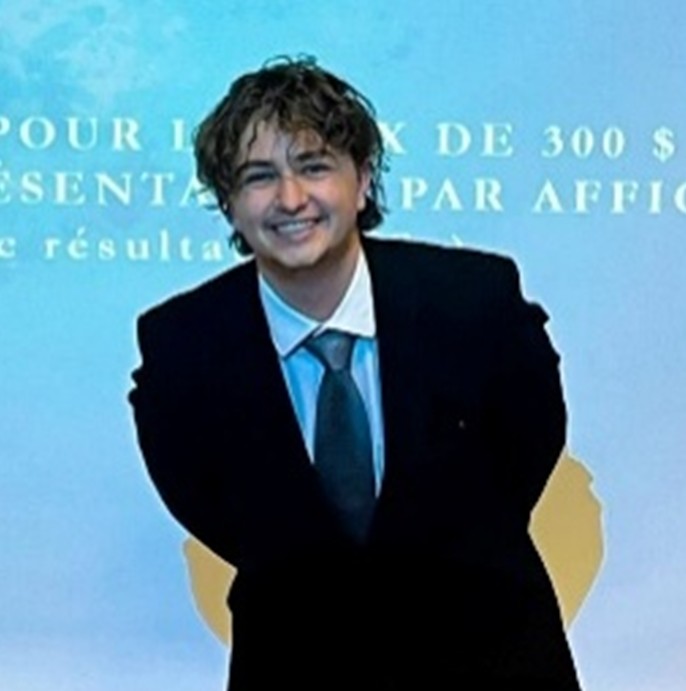
Sponsored by Contribution des processus de pertes du zooplancton au devenir du carbone : une approche de modélisation biogéochimique |
 |
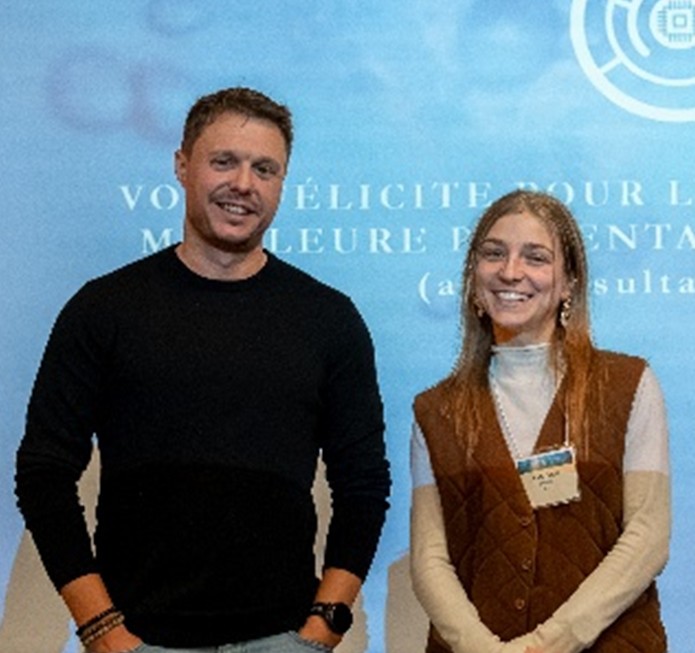
Sponsored by Répartition verticale et spatiale du maquereau bleu (Scomber scombrus) telle que détectée par son principal prédateur le fou de Bassan (Morus bassanus) dans le système Saint-Laurent |
 |
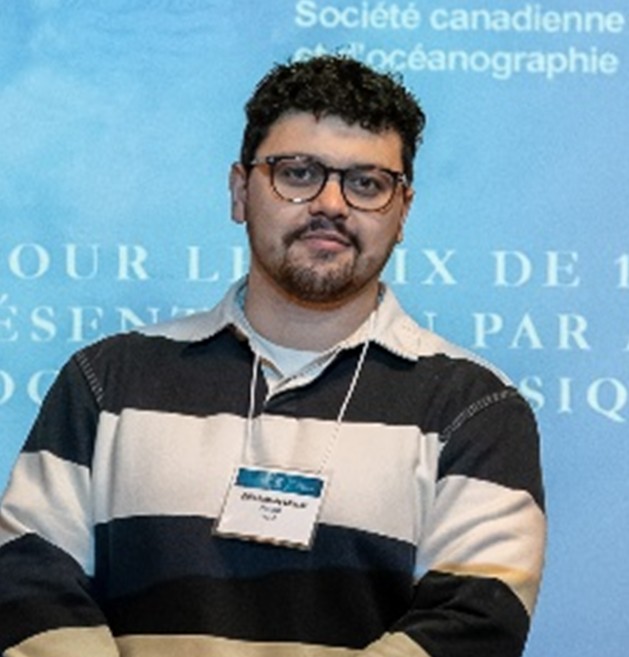
Sponsored by Présent sur la photo le co-fondateur de InSileco, David Beauchesne |
 |
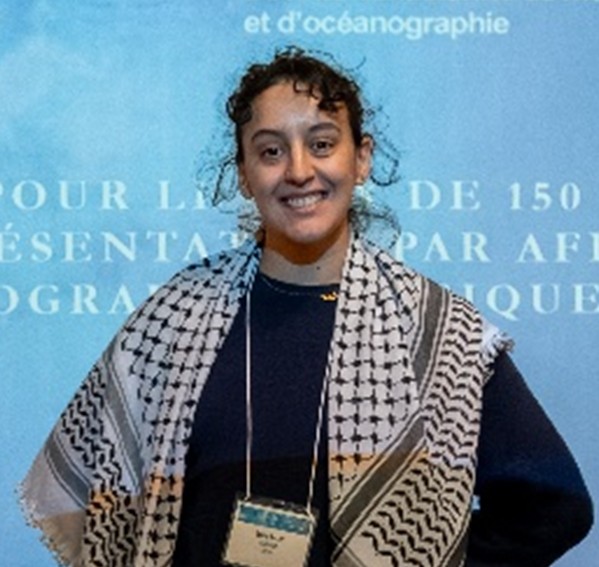
First Award from CMOS |
 |
Special Award from CMOS |
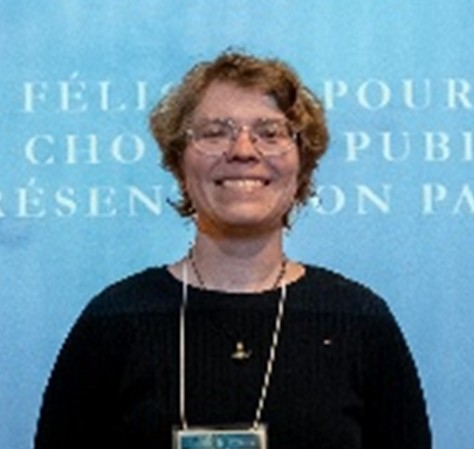 |
Public's Choice Marie-Ève Clark (UQAR-ISMER) Performance d’un système de détection acoustique distribuée pour le suivi de baleines à fanons en péril, par fibre optique, dans l’estuaire du Saint-Laurent |
We would like to congratulate the recipients and thank the jury members, our Student Committee, everyone involved in organizing and carrying out the various activities, the presenters and trainers, our sponsors and partners, and above all, the participants for making this event a success!